
Automation in Investment Research: How Can Analysts Save Time and Increase Productivity?
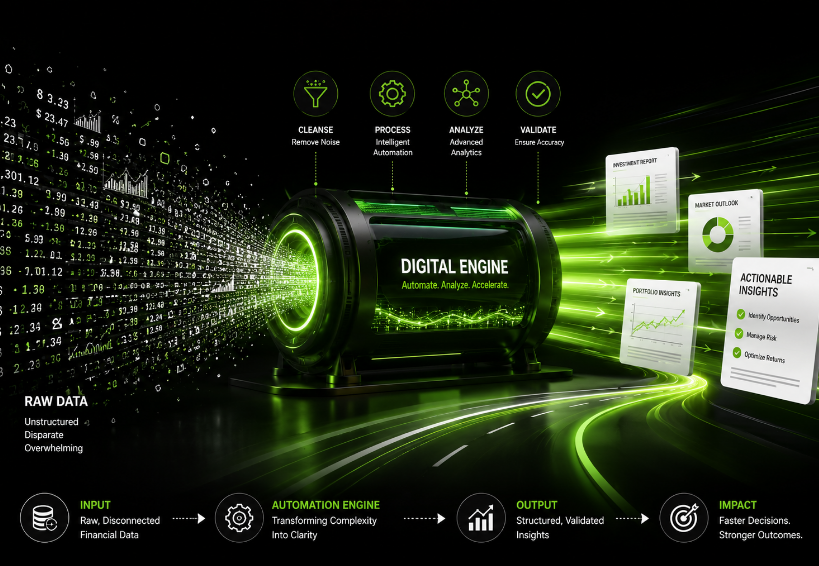
Investment analysts are hired to provide judgment: interpreting earnings calls, identifying trends, challenging market assumptions, and offering insights that help institutional clients make better investment decisions. However, despite this high-value work, analysts often spend more time on repetitive, non-analytical tasks like data entry, formatting reports, obtaining compliance approvals, and distributing documents.
These administrative tasks, which make up a significant portion of the workweek, are slowing analysts down. The problem isn’t the insights they generate, it’s the plumbing around those insights.
In this article, we’ll explore how automating core parts of the research workflow can help analysts save time, reduce errors, and deliver faster, more accurate insights, ultimately boosting productivity and responsiveness in an increasingly competitive environment.
Where Research Teams Lose Time: Key Workflow Challenges
It’s not hard to see why analysts spend up to 40% of their time on non-analytical work. Below are the main bottlenecks that plague traditional research workflows:
- Data Entry & Formatting: Analysts often spend hours manually entering financial data into models, updating spreadsheets, and formatting tables for reports.
- Manual Approvals: Coordinating compliance checks and obtaining supervisory approvals can create significant delays, especially in fast-moving markets.
- Template Rebuilding: Analysts frequently recreate the same tables and disclosures across multiple reports, consuming time that could be spent on analysis.
- Report Distribution: Manually sending PDFs to clients or updating distribution lists can be time-consuming, and prone to human error.
- Collaboration Delays: Feedback loops and version control issues slow down collaboration between team members, reducing overall efficiency.
The Hidden Cost of Fragmented Research Workflows
The inefficiencies of manual workflows can have serious consequences for both individual analysts and firms at large:
- Wasted Time: A significant portion of an analyst's week is lost on tasks that don’t add analytical value.
- Increased Errors: Manual processes are inherently prone to mistakes, which can result in costly errors and missed deadlines.
- Reduced Agility: Speed is critical in equity research. Slow workflows lead to missed opportunities to act on market-moving information.
This fragmented approach not only wastes time, but also undermines the agility required in today’s fast-paced financial markets.
How to Build Smarter, Automated Workflows
Automation can help address these challenges, especially when it’s integrated into key research processes. By automating routine tasks, analysts can free up more time for the work that really matters generating valuable insights for clients.
Here’s how automation can address key pain points in the research process:
1.Streamlined Report Authoring
Instead of manually entering data and formatting reports, automated systems can populate templates with real-time data, ensuring consistency and accuracy while significantly reducing report generation time.
2.Automated Compliance & Approvals
Workflow automation can eliminate the back-and-forth email chains typically required for compliance checks. With built-in compliance checks and real-time approval tracking, automated systems can ensure that all regulatory requirements are met without delays.
3.Template Management
With smart templates and automated data entry, analysts can skip the repetitive task of rebuilding common tables and disclosures. Reports can be generated in minutes, with all necessary content auto filled.
4.Seamless Report Distribution
Automated systems can send reports to the right clients and third-party aggregators at the right time, with preferences and delivery formats automatically handled.
5.Improved Collaboration
By centralizing feedback and approval processes, automated systems can help teams collaborate more efficiently, minimizing bottlenecks and streamlining the version control process.
How Automated Workflows Improve Productivity and Client Engagement
By automating routine tasks, analysts can reclaim valuable time to focus on their core competencies: generating insights, building client relationships, and responding to market developments. Here’s how:
- Faster Report Turnaround: With automated report generation, the time spent formatting and creating reports is cut in half. This allows analysts to publish their insights more quickly, providing clients with up-to-the-minute analysis.
- Reduced Error Rates: Automation eliminates the manual data entry and formatting that is prone to human error. With smart systems in place, analysts can trust that their reports are accurate and comply with all regulations.
- Improved Client Responsiveness: With more time spent on analysis and less on administrative tasks, analysts can respond to client inquiries faster and offer more timely insights.
- Enhanced Client Engagement: By automating report distribution and tracking readership engagement, analysts can better understand which clients are engaging with their research and tailor their outreach accordingly.
Beyond Automation: A Full-Stack Solution for Research Teams
While automating routine tasks is critical, the real power of automation comes from an end-to-end solution that integrates the entire research workflow from authoring to compliance to distribution. This type of solution provides visibility into every stage of the process, ensuring seamless coordination between analysts, compliance officers, and clients.
Here’s how an integrated system can benefit research teams:
- Integrated Workflow Management: A full-stack solution ensures that every step of the research process is aligned, from data entry to report distribution, ensuring smooth collaboration and faster decision-making.
- End-to-End Compliance: Automation ensures that compliance checks are built into every part of the process, reducing the risk of human error and maintaining a clear audit trail.
- Comprehensive Readership Analytics: By tracking how clients engage with research reports, firms can gain insights into client preferences and refine their content strategy for greater impact.
The Role of Automation in Compliance and Risk Mitigation
Compliance and regulatory issues are always top of mind for research teams. Automated workflows help mitigate compliance risks by embedding checks and balances directly into the process. Some key compliance-related benefits include:
- Automatic Compliance Checks: From regulatory disclosures to restricted list management, automated workflows ensure compliance at every stage of the research process.
- Audit Trails: Automation creates a complete, immutable record of every action taken during the research process, ideal for regulatory audits.
- Digital Access Control: Automated systems can manage access rights, ensuring that reports are only shared with authorized individuals and preventing unauthorized distribution.
A Smarter Future: Embracing Research Automation
As the demand for faster, more accurate insights continues to grow; investment research teams must evolve. By embracing automation, firms can streamline their operations, reduce the burden on analysts, and improve both productivity and client engagement.
The key takeaways are clear:
- Automation is not just about speeding up report generation; it’s about making the entire research process more efficient, accurate, and compliant.
- By eliminating the non-analytical tasks that consume valuable time, automation empowers analysts to focus on delivering high-impact insights.
- A fully integrated automation solution can improve collaboration, reduce errors, and provide real-time visibility into every step of the research process.
Next Steps: Optimizing Your Research Workflow
As research teams face increasing pressure to deliver faster and more actionable insights, automation is no longer just an option; it’s a necessity. Evaluate your current workflows and consider how automation can free up valuable analyst time while improving accuracy, compliance, and client engagement.
By implementing end-to-end automation solutions, investment research teams can unlock new levels of productivity and performance.
FAQs:
1. Why is automation essential for investment research teams?
Automation is becoming essential because analysts spend too much time on repetitive operational work such as formatting reports, coordinating approvals, and distributing content. By reducing that manual burden, firms can free analysts to focus more on insight generation, market interpretation, and client-facing value.
2. Which parts of the research workflow can be automated most effectively?
The most effective areas for automation include report authoring, compliance checks, approval of workflows, template population, and content distribution. These are high-frequency tasks that often slow publication cycles and create unnecessary operational friction.
3. How does automation improve analyst productivity?
Automation improves productivity by reducing time spent on non-analytical tasks and shortening the turnaround time for publishing reports. It also helps analysts work with greater consistency and fewer manual errors, which improves both efficiency and confidence in output.
4. Can automation help with compliance and risk management?
Yes, automation can strengthen compliance by embedding checks directly into the research workflow and maintaining a clear audit trail of actions and approvals. This reduces the risk of missed disclosures, unauthorized distribution, and other errors that can create regulatory exposure.
5. How does research automation improve client engagement?
Research automation improves client engagement by helping firms publish faster, distribute content more accurately, and track how clients interact with reports. That gives research and sales teams better visibility into what clients are reading, allowing them to tailor outreach more effectively.